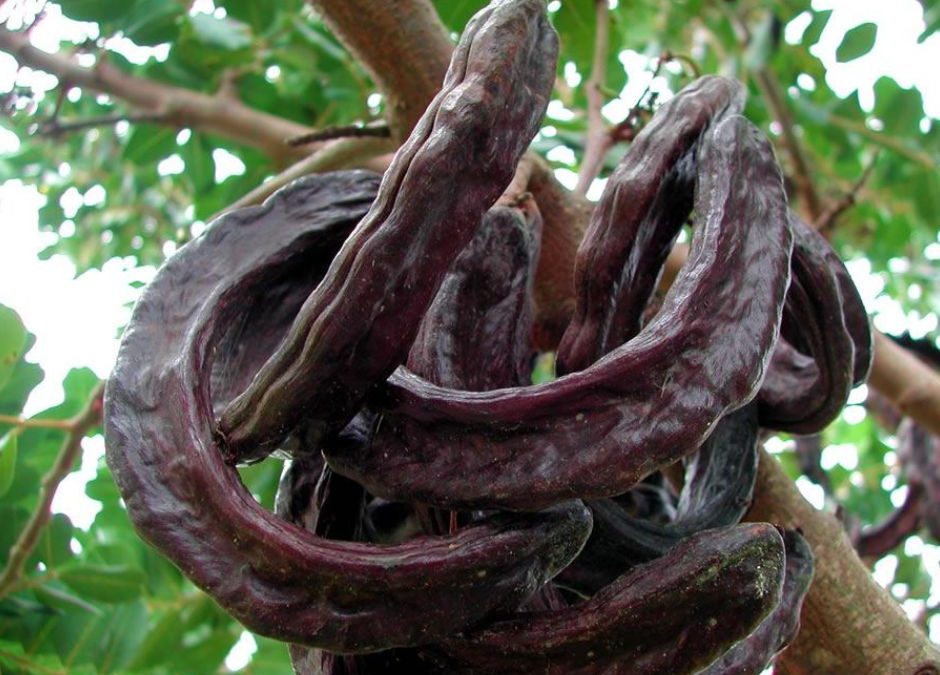
Carobs are a versatile and nutritious food, but to keep them fresh and preserve their properties, it is important to take some precautions during storage. Here are some tips on how to store them correctly:
1) Store in a cool, dry place
Dried carobs should be stored in a cool, dry place, away from sources of humidity. Humidity can affect their quality and encourage the formation of mold. A pantry or cupboard away from direct sunlight is ideal.
2) Airtight containers
It is advisable to store carobs in airtight containers, preferably glass or food-grade plastic, to prevent air and humidity from penetrating inside. This helps preserve their flavor and maintain their crunchiness. Zip-lock bags can be a practical alternative.
3) Away from heat sources
Dried carob should be kept away from heat sources such as ovens, stoves or radiators, as excessive heat could dry them out further, altering their flavor and texture.
4) Store in the refrigerator
If you live in a particularly hot or humid environment, you can store dried carob in the refrigerator to prolong its shelf life. In this case, make sure they are tightly closed to prevent them from absorbing odors or moisture from the refrigerator.
5) Freezing
For long-term storage, dried carob can be frozen. Simply place them in a well-sealed freezer bag. This way, they can last up to a year without losing their nutritional properties. By following these tips, you can store dried carob for months, preserving its freshness and flavor.
Carobs: Benefits
Carob, the fruit of the carob tree (Ceratonia siliqua), is an ancient food native to the Mediterranean that has been making a comeback as a superfood in recent years. This dark, nutrient-dense legume offers a variety of health benefits, making it a versatile alternative to many other foods. Here’s why you should consider including carob in your daily diet.
1. Source of Essential Nutrients
Carob is naturally rich in vitamins and minerals. It contains vitamin A, B vitamins, such as B2, and minerals such as calcium, magnesium and potassium. These nutrients help maintain a healthy nervous system, strengthen bones and support energy metabolism.
2. Gluten Free and Lactose Free
A significant benefit of carob is that it is naturally gluten-free and lactose-free, making it a great choice for those with celiac disease or lactose intolerance. It can be used as a substitute for chocolate in many recipes, offering a tasty and safe alternative for those following a gluten-free or vegan diet.
3. Rich in Fiber
Carobs is an excellent source of dietary fiber, which aids digestion and helps maintain regular intestinal transit. Fiber is also essential for weight control, as it increases the feeling of satiety, reducing the temptation to snack between meals.
4. Low Glycaemic Index
Compared to other natural sweeteners, locust beans have a low glycaemic index, which means they do not cause sudden spikes in blood sugar levels. This makes them ideal for those who need to keep their blood sugar under control, such as people with diabetes. Carobs can replace chocolate or other refined sugars.